 Leadcase
⛑ Lack of trust
According to a study from Google, one of the most critical factors that affect team performance is the level of psychological safety in the team.
If you find that in important meetings, people sit back and don't speak up, no one clashes with anyone, and blames external circumstances (neighboring teams, lack of resources, etc.) for failures, then you should check the safety level of your team.
Let's see how you can do this, for example, at the start of an important meeting.
💎 Collect data
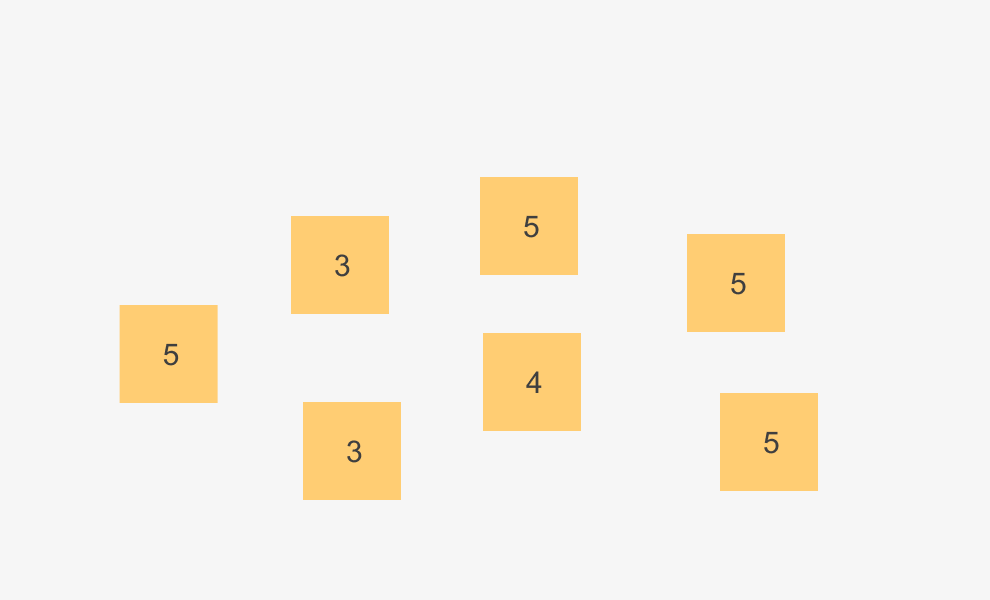
Ask participants to write down a number from 1 to 5 that shows how safe they feel:
- 5 - No problem, I will talk about everything.
- 4 - I will talk about almost everything; some things may be difficult.
- 3 - I will talk about some things, but others will be difficult for me to say.
- 2 - I will not talk much; I let others raise questions.
- 1 - I am not going to talk at all; I do not feel safe.
🌠 Visualize the results
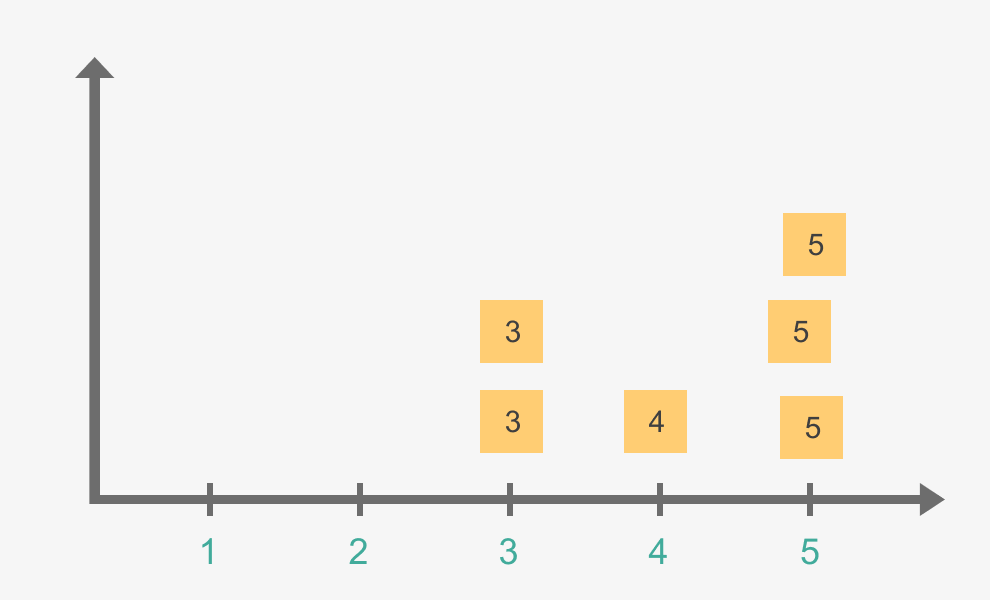
Collect the stickers while respecting anonymity (use a hat or other container).
Make the result of the security check visible to the whole group.
Acknowledge the results and decide what to do next.
🤔 What to do with the results?
The results of the survey can be boiled down to three possible scenarios:
- High security. Proceed with the meeting goal. The group is ready for open discussion.
- Security level medium. Ask the group to respect the participation of others.
- Security level low. It may be worth postponing the meeting goal and focusing instead on those issues that affect the confidence level of the team.
👀 Keep an eye on security
Every team goes through periods of turbulence from time to time. New people coming in, changes in goal orientation, and new approaches to work can lead to friction between people and affect trust.
If you notice negative dynamics, try to work proactively with the team during these times. Alternatively, check security levels and work on issues that might affect it.
The safer team members feel with each other, the more likely they admit mistakes, become partners, and take on new work roles.

